
Partnerships should be no different.
The partnerships that succeed follow a different level of discipline.
1. A value proposition strong enough to compete. Strong products win because they solve a real problem better than the alternatives. Partnerships operate in the same reality. They compete for budget, attention, and adoption, often against the status quo. If the value is not clear, compelling, and easy to act on, it will not be prioritized.
2. Built and refined through testing, not theory. Products are not fully designed and then launched. They are prototyped, tested, and iterated in real conditions. Partnerships that hold, follow the same path (i.e., early testing with ministries, providers, and communities, where assumptions are challenged before more capital and complexity are introduced).
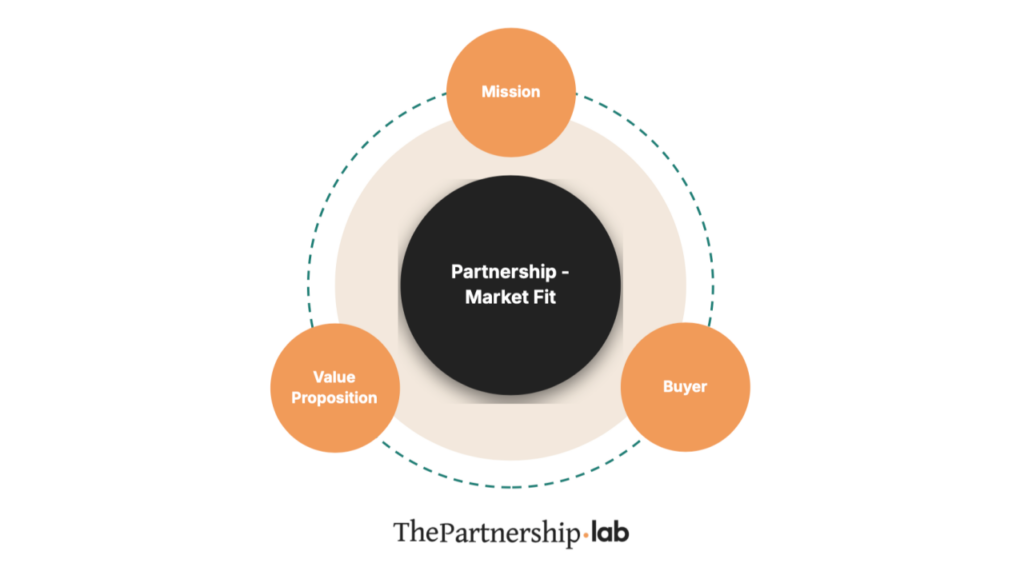
3. Designed for market fit. Strong products fit into how people actually behave and how systems actually operate. Partnerships need the same discipline. How are decisions made? How do services get delivered? How does funding flow?
4. Clarity on the buyer and payer from the start. Every product is built with a clear understanding of who will pay for it. Partnerships need that same clarity. Whether it is a government agency, an insurer, an employer, an investor, or a consumer, sustainability depends on someone choosing to allocate resources toward the solution.
5. Economics that hold at scale. At scale, every product is judged on the value it delivers relative to its cost. Partnerships are no different. If the economics don’t make sense, there is no pathway to sustained financing.
6. Designed for distribution, proven through adoption. Strong products are designed to reach users. Distribution is built into the model from the start, and success is measured by whether people actually use it and sustain it over time. Partnerships should be no different.
In practice, this requires early specificity on:
- Who is this for, and what problem does it solve in their day-to-day reality?
- What is the “product” this partnership is delivering?
- What makes this better or easier than the alternatives?
- How will this enter the system—through which channel, budget, mechanism? Who will pay for it, how, and why?
- How can you ensure user adoption, not just reach?